Avid Ingenium Plug And Play vs Sony Ult Field 3: Which Should You Buy?
I've spent the last several months putting two very different audio tools through their paces: the Avid Ingenium Plug And Play and the Sony Ult Field 3. I bought both of these units to cover overlapping but distinct needs — location interviews, run-and-gun field recording, and home-studio voice work — and I wanted to see which one felt better in real, day-to-day use rather than on spec sheets. What follows is my hands-on comparison, with the good, the bad, and the situations where each device made sense to me.
Why I tested these two
In my projects I toggle between minimal-setup mobile recording and more controlled studio capture. The Avid Ingenium Plug And Play landed on my desk because I wanted something that felt instant: plug it into a laptop or interface and record with minimal fuss. The Sony Ult Field 3 came along because I needed ruggedness and advanced field features—wind handling, reliable monitoring, and flexibility for multi-mic setups. I tried to put them through a wide range of real-world tasks: street interviews, short film location audio, a few podcast episodes recorded on the road, and home vocal sessions.
First impressions and build quality
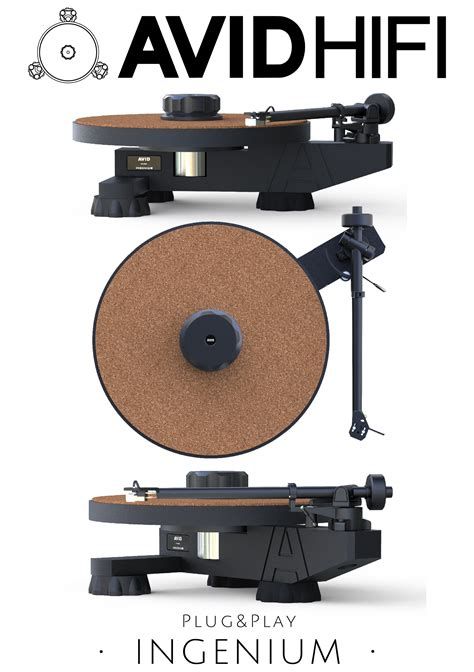
Both devices feel like they were made for professionals, but they approach “quality” differently. The Avid Ingenium has a compact, refined finish that made it easy to toss into my tech bag. I noticed right away that it’s built with convenience in mind: accessible ports, a stiff USB-C connector, and an ergonomically placed gain knob. It’s lightweight but doesn’t feel cheap.
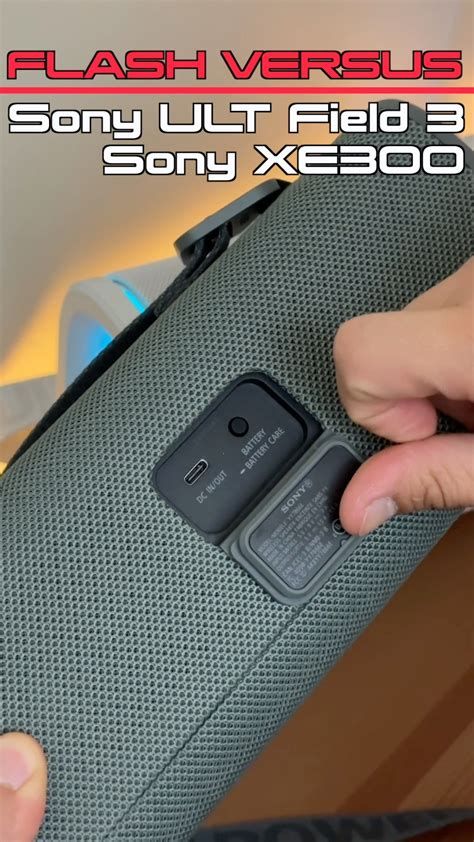
The Sony Ult Field 3 feels like it was built to survive long trips. It’s heavier and more rugged, with tactile controls that I could operate while wearing gloves. Rubberized edges reduce handling noise, and the battery door is secure (I tested it on a windy coastal shoot and never had the door loosen). One thing that bothered me about the Sony at first was the menu depth — there are more options, but that translates to extra time digging through settings when I wanted to get a quick recording.
Sound quality and tonal character
Sound quality is where personal taste and use-case intersect. In my experience, the Avid Ingenium delivers a clean, slightly forward sound that works exceptionally well for spoken-word content and voiceover. I liked how the midrange clarity made voices pop without aggressive EQ. For podcasting and interviews, that upfront character saved me time in post—what I recorded was what I wanted.
The Sony Ult Field 3 leans toward a more neutral, detailed capture. On location it picked up ambient texture and room tone in a way that was useful for documentary work. What I found was that the Sony preserved transient detail and low-level information better, which gave me more to work with when I needed to craft ambience or fix problems later in post. However, that detail can also be a double-edged sword: you’ll need to be more careful with placement and noise control, because the Sony will pick up more of what’s around the mic.
Connectivity and workflow
One of the reasons I bought the Avid Ingenium was for the promise of “plug and play.” In my experience that claim mostly held up: I would connect it to my laptop via USB-C, it showed up immediately in my DAW, and I could record without installing drivers on macOS. I liked the simplicity for quick interviews or recording a voice memo that needed to be sent right away. The headphone output and direct-monitoring controls are straightforward and useful for one-person setups.
Discover deals on Audio & Headphones — updated daily.
Shop Amazon →The Sony Ult Field 3 offers more professional I/O and routing options. I used it with cameras, lavs, and shotgun mics in different shoots. The Sony made it easy to patch multiple sources and monitor them independently, and I appreciated the physical gain controls for each input. That said, the extra flexibility required a slightly longer setup time. If you need a device that integrates into multi-device rigs, the Sony felt more at home; if you want something that’s ready in seconds, the Avid was usually faster.
Battery life and portability
I tested both across all-day shoots. With moderate use — a handful of short interviews, some ambient takes, and a few vocal tests — the Avid Ingenium ran comfortably through a typical workday when powered from a laptop or a USB battery pack. If you plan to be untethered, remember that its reliance on bus power means your runtime tracks your external power source.
The Sony Ult Field 3 gave me confidence when I couldn't bring a laptop. Its internal power management and ability to run from AA/replaceable cells or a dedicated battery meant I could be out in the field for longer stretches. In one case I ran a half-day street interview series with the Sony without swapping batteries. I noticed that the Sony’s display on remaining battery percentage is more precise than the Ingenium’s simple status LEDs.
User interface, controls, and monitoring
Because I often work alone, I value simple, immediate controls. The Avid Ingenium’s layout is direct: gain knob, pad switch, and a clean headphone level control. That meant fewer menu dives and less risk of changing the wrong setting mid-take. I liked the tactile feedback on the gain wheel; it’s small details like that which made me reach for the Ingenium for quick shoots.
The Sony Ult Field 3, by contrast, rewards time spent learning it. There are more dedicated controls for routing, limiter, low-cut filters, and channel-specific monitoring. When properly configured, the Sony saved me time later in post by locking in better input chains. But in fast-paced shoots I sometimes found myself frustrated by the extra steps needed to enable or disable certain features, especially under bright sunlight where the small buttons were harder to see.
Reliability and real-world quirks
After months of use, reliability was one of the most telling differences. The Avid Ingenium is reliable as long as it’s connected to a modern host. I did experience a couple of times where a cheap USB hub caused intermittent disconnects; swapping to a quality USB-C cable or connecting directly to the laptop fixed it every time. If you’re going to rely on the Ingenium unplugged, plan your power strategy ahead.
The Sony Ult Field 3 handled rough environments better. On a windy rooftop shoot its wind reduction and preamp noise floor gave me usable takes where I might otherwise have needed heavy post-processing. One thing I noticed was that camera-syncing requires a bit of attention; if you’re integrating the Sony with different camera brands, expect to spend a few minutes matching levels and checking timecode or slate workflow.
Shop the latest Audio & Headphones picks on Amazon.
Browse Now →Pros & Cons
Avid Ingenium Plug And Play
- Pros: True plug-and-play simplicity with fast DAW detection; compact and lightweight; warm, forward voice character that minimizes time spent EQing voices; straightforward physical controls; excellent for solo podcasters and interviewers.
- Cons: Relies on host power for long sessions; fewer physical I/O and routing options for complex setups; limited onboard features compared to pro field units; occasional sensitivity to low-quality USB hubs.
Sony Ult Field 3
- Pros: Rugged build and battery flexibility; detailed, neutral capture that preserves ambience and transients; rich routing and per-channel controls for multi-source workflows; reliable in challenging field conditions.
- Cons: Heavier and less grab-and-go than the Ingenium; steeper learning curve and deeper menus; more expensive in most configurations; captures extra room noise if you don’t control environment carefully.
Side‑by‑side comparison
| Avid Ingenium Plug And Play | Sony Ult Field 3 | |
|---|---|---|
| Best for | Solo podcasters, quick interviews, laptop-based voice work | Location recording, documentary audio, multi-mic shoots |
| Sound character | Forward, voice-friendly | Neutral, detailed |
| Ease of use | Very simple — plug and record | Feature-rich — needs time to learn |
| Battery & portability | Ultra-portable when tethered to laptop or power bank | Long untethered runtime with replaceable battery options |
| Build | Lightweight, refined | Rugged, road-ready |
| Value | Great for those who prioritize simplicity and speed | Better for professionals needing flexibility and robustness |
Buying guide — which one should you pick?
When I recommend one of these to friends, I always start by asking how they plan to use it. Here are the scenarios that guided my own choices and how I think you should prioritize features.
Pick the Avid Ingenium if:
- You mostly record spoken word, interviews, or podcasts and want a device that gets out of your way.
- You prefer a minimal setup: laptop + mic + headphones and you want it to be fast and reliable.
- You travel light and need a small footprint in your bag.
- You value immediate DAW compatibility and a voice-friendly tone that reduces editing time.
Pick the Sony Ult Field 3 if:
- You do field recording where battery autonomy and ruggedness matter — documentary, short film, or ENG work.
- You need multi-channel routing, dedicated physical controls per input, and robust monitoring options.
- You record environments where preserving ambience and detail is useful for post-production.
- You don’t mind a slightly heavier unit and are willing to learn more complex menus to get better results.
Other practical considerations I ran into
- Accessories: I found that the Avid benefits from a good USB-C cable and a small foam windshield for outdoor quick interviews. The Sony practically demands decent mic stands, shock mounts, and good windscreens to tame its sensitivity to ambient noise.
- Case and travel: The Sony needs a hard case if you’re beating it up in a bag with camera gear. The Avid is happy in a padded pouch inside a laptop bag.
- Software integration: If you work in a DAW-heavy environment, both integrate well, but the Avid’s simplicity means fewer driver headaches. The Sony’s advanced routing gave me more flexibility in multi-track capture workflows.
- Long-term maintenance: The Sony’s replaceable batteries and accessible parts made me feel like I could field-repair or refresh it. The Avid felt more like “set-and-forget” — if something goes wrong with the enclosure or electronics, repair might be less user-serviceable.
My overall verdict
After several months of alternating between both units, I don’t think there’s a single “winner” — only the right tool for the job. In my experience, the Avid Ingenium Plug And Play became my go-to when I needed speed, simplicity, and great-sounding voice recordings with minimal fuss. For solo projects, quick client interviews, and times when I needed to get audio off my laptop quickly and reliably, I reached for the Ingenium without hesitation.
The Sony Ult Field 3 became my choice for anything that demanded redundancy, ruggedness, and flexibility. For location shoots with unpredictable conditions, multi-mic setups, and projects where capturing the character of a space matters, the Sony returned more usable takes and fewer surprises in post. I was surprised by how much detail the Sony captured and how that detail could either be an asset or a liability depending on how well I controlled the environment.
If I had to summarize my practical recommendation: buy the Avid Ingenium if you want a friendly, fast recorder that gets excellent spoken-word results with minimal setup. Choose the Sony Ult Field 3 if you need a tool that will stand up to tough field conditions, multi-channel complexity, and a more neutral capture that gives you sculpting power in post.
Final thoughts
Both of these units earned their place in my kit. I’ve kept the Ingenium for the times when I need to be nimble and confident that I can send a usable file within minutes. I bring the Sony when the shoot matters more — when I want options, long battery life, and the ability to capture nuanced field audio. In my experience, choosing between them comes down to workflow: are you chasing convenience and speed, or are you building a more involved, rugged field operation? The answer to that question will make the choice obvious.